Lassa Fever Death Toll Rises to 143 as Nigeria Confirms New Infections
Posted 06:43 AM, Wednesday June 18, 2025 2 min(s) read
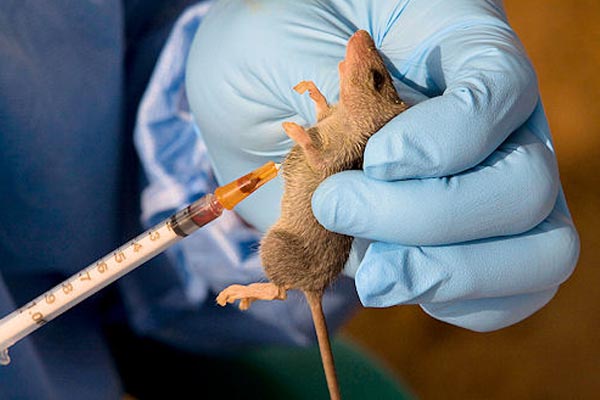
Photo by: Jedidah Ephraim
ABUJA, June 18 (AGCNewsNet) – Nigeria has recorded 11 new cases of Lassa fever, raising the national death toll to 143 in 2025, according to the latest update from the Nigeria Centre for Disease Control (NCDC).
The new cases, confirmed in epidemiological week 23, were reported in Ondo, Edo, Bauchi, and Taraba states. One healthcare worker was also infected during the same period. The NCDC expressed concern over the disease's rising case fatality rate, which now stands at 18.9%, up from 17.8% during the same period in 2024.
“This year’s CFR is concerning as it indicates a higher fatality rate among confirmed cases compared to previous years,” the agency noted.
So far, 18 states and 96 local government areas have recorded confirmed infections. Ondo State accounts for 31% of the cases, while Ondo, Edo, Bauchi, Taraba, and Ebonyi collectively make up 90%. The most affected group is young adults aged 21–30, with a male-to-female ratio of 1 to 0.8.
To contain the outbreak, the NCDC has activated a multi-partner Incident Management System. The response includes enhanced disease surveillance, clinician training in high-burden areas, and targeted public health messaging. Personal protective equipment, Ribavirin, and hygiene supplies have also been deployed to treatment centres.
“Late presentation remains a significant challenge, contributing to the high CFR,” said Dr. Jide Idris, Director-General of the NCDC. “We urge Nigerians to seek medical attention promptly if symptoms develop.”
Despite national and international efforts, challenges such as poor health-seeking behaviour, inadequate sanitation, and low public awareness continue to hinder control measures. The cost of treatment and limited access to healthcare services further complicate the situation for patients in high-risk communities.
The NCDC is working with partners including the World Health Organization to improve community outreach, healthcare worker preparedness, and long-term disease prevention strategies. The public is advised to avoid contact with rodents, maintain proper hygiene, and seek immediate care if symptoms of Lassa fever appear.
Stay connected with AGC NewsNet for the latest news from Africa.