Uganda’s Sacred Ghost Island Faces Pressure from Rising Tourism
Posted 04:59 PM, Sunday July 06, 2025 3 min(s) read
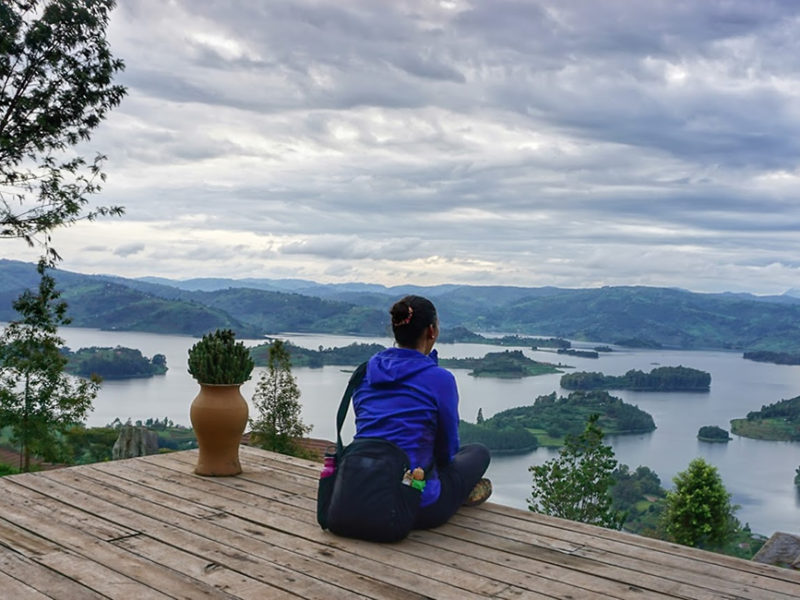
Photo by: Jedidah Ephraim
MUSAMBWA ISLAND, July 5 (AGCNewsNet) – A once-hidden ecological and spiritual haven in Uganda’s Lake Victoria is now drawing increased international attention—sparking concerns that tourism could disrupt the delicate harmony between humans, wildlife, and long-held cultural traditions.
Known locally as “Musambwa” or “Ghost Island,” the 5-acre island has long served as a rare example of peaceful coexistence between nature and humanity. Located 45 minutes by boat from the mainland, the island is home to around 125 residents, thousands of birds, and some 2,000 snakes—including venomous species like the Gaboon viper and the Egyptian cobra. These reptiles, deeply respected by residents, are believed to be spiritual guardians of the island.
Local fisherman Enock Ntale, who has lived on Musambwa since 2001, attributes its growing visibility to conservation efforts. “This island became popular after some organizations like Nature Uganda began sensitizing the community about its significance,” he said.
Musambwa’s traditions strictly prohibit women from spending the night on the island, in accordance with spiritual beliefs. “The Musambwa spirit doesn’t like women on the island. If a woman stays overnight, it gets angry and causes havoc,” explained cultural historian Fredrick Nsibambi, who has studied the island’s lore and biodiversity.
These spiritual norms have inadvertently fostered a robust conservation model. Long before modern environmental campaigns, local customs already banned the collection of bird eggs and hunting of endangered species. As a result, bird populations—including the once-threatened grey-headed gull and long-tailed cormorants—have rebounded.
“The way humans, birds, snakes, and plants live together here without harming each other is remarkable,” Nsibambi noted, adding that the oral traditions, rituals, and values underpin the island’s ecological success.
However, the surge in tourism threatens this balance. “We are getting a lot of international tourists,” Nsibambi warned. “If people start disrespecting local practices, the future of this island is in danger.”
Fishmonger Gerald Lubega, who first visited the island in 2003, recalled his initial shock. “When you would go to sleep, you’d find yourself surrounded by snakes,” he said. “But over time, you get used to them.”
One of the earliest settlers, 104-year-old Emmanuel Katongole, reflected on the island’s transformation. “When I arrived in the 1960s, there were fewer than five people here. I came to fish and never left,” he said.
While global fascination with Musambwa grows, experts and locals alike stress the need for respect and preservation. For now, the “Ghost Island” remains a testament to the power of indigenous knowledge and cultural ecology—but its continued survival may depend on how the world chooses to engage with it.
Stay connected with AGC NewsNet for the latest news from Africa.