South Africa Imposes Bunkering Restrictions to Protect Endangered Penguin
Posted 07:37 AM, Wednesday August 27, 2025 2 min(s) read
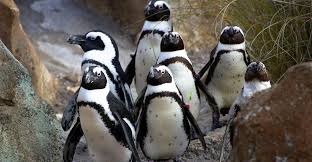
Photo by: Jedidah Ephraim
CAPE TOWN, Aug 27 (AGCNewsNet) – South Africa has introduced new regulations restricting ship-to-ship (STS) transfers and bunkering operations along its coastline, particularly in Algoa Bay, in a bid to safeguard the critically endangered African penguin.
The measures prohibit transfers within three nautical miles of shore, aquaculture zones, and marine protected areas, while limiting bunkering in Algoa Bay to designated anchorages under seasonal restrictions. Operators will be required to monitor for penguins and marine mammals during transfers using hydrophone systems, and pollution risk will be minimized by banning operations in winds above 22 knots or waves higher than six feet.
To further strengthen safeguards, the rules restrict the number of vessels allowed in the bay and require spill-response ships to remain on standby. Violators face penalties of up to $2.1 million and prison sentences of up to five years.
“These regulations are a decisive step to safeguard our oceans and secure the future of our African Penguin. They set strict standards for offshore ship-to-ship transfers, ensuring that maritime activity can only proceed in a safe and responsible way,” said South Africa’s environment minister, Dr. Dion George.
Conservation groups, however, have raised doubts about the effectiveness of the measures. The Southern African Foundation for the Conservation of Coastal Birds (SANCCOB) said the African penguin population in Algoa Bay has declined by over 90 percent since large-scale bunkering began in 2016. St. Croix Island, once home to 8,000 breeding pairs, now has just 700, according to SANCCOB.
The NGO blamed increased shipping noise and a series of oil spills for the population collapse and urged stronger rules, including banning bunkering at night, reducing wave-height limits for transfers to three feet, and reinstating a previously considered requirement to comply with International Maritime Organization underwater noise guidelines.
Algoa Bay has become an important refueling hub for vessels diverting around the Cape of Good Hope amid the Red Sea crisis, but conservationists warn that commercial activity must not come at the expense of one of the world’s most endangered seabirds.
Stay connected with AGCNewsNet for the latest news from Africa.