WHO Says Nigeria’s Ebola Patient’s Travel to DR Congo Was Not Disclosed
Posted 02:56 PM, Thursday October 22, 2026 2 min(s) read
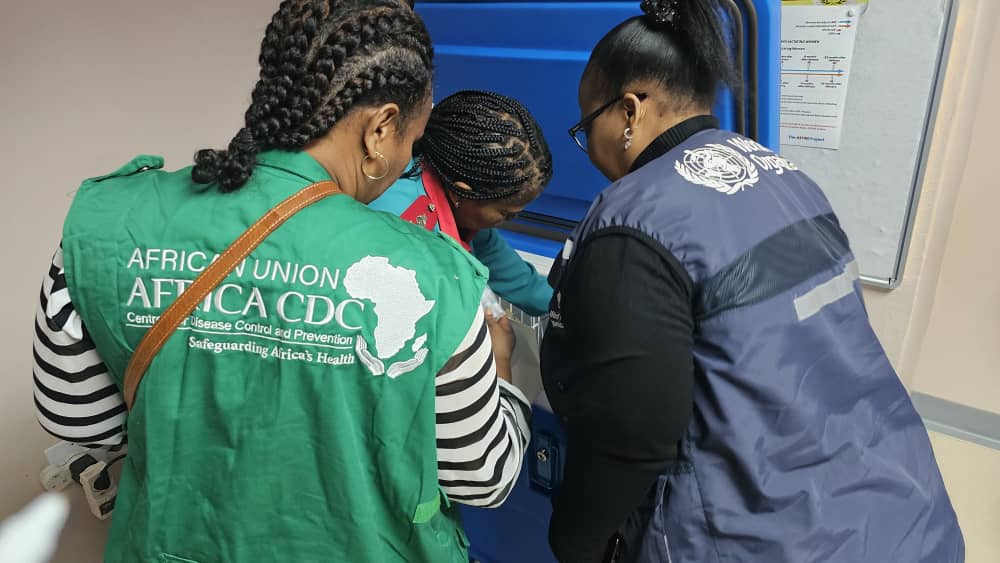
Photo by: Adigun Faizah
ABUJA, Nigeria — The World Health Organization (WHO) says information provided to the agency about Nigeria’s confirmed Ebola patient did not include travel to the Democratic Republic of Congo (DR Congo), raising questions about the woman’s movements before she was diagnosed.
WHO representative Pavel Ursu said on Thursday that the information received by the organisation identified Uganda as the country the patient had visited before returning to Nigeria.
According to Ursu, the woman arrived in Abuja on 3 October after being away in Uganda from 16 September. His comments followed a statement from Uganda’s health ministry that she had also travelled to neighbouring DR Congo, where the current Ebola outbreak was first declared in mid-May.
Nigeria’s health authorities have identified the patient as a Ugandan woman who recently returned from Uganda. Jean Kaseya, director-general of the Africa Centres for Disease Control and Prevention (Africa CDC), previously told Reuters that she was the Ugandan-born wife of a Swiss diplomat and had spent approximately two weeks in Uganda.
WHO emergency response manager Patrick Otim said the source of the woman’s infection remained unknown as health authorities continued investigating her travel history and possible exposure to the virus.
Investigators are also examining which healthcare facilities she visited in Abuja after developing symptoms and before she was hospitalised approximately 48 hours later. WHO said her condition remained under medical care, with her biochemical markers showing improvement.
Meanwhile, Kenyan health authorities said they had traced all 135 contacts linked to the country’s first confirmed Ebola case, reported on 6 October. Eight additional cases have since been reported in Kenya.
Health Ministry Director-General Patrick Amoth said officials had accounted for every identified contact. He noted that tracing the final individual took longer because the Ugandan national had entered Kenya by air but left by road.
Ebola spreads through direct contact with the bodily fluids of infected people or deceased victims. Symptoms can include fever, vomiting and diarrhoea, while severe cases may involve internal or external bleeding.
The outbreak involves a rare Ebola virus species for which no approved vaccine or specific treatment is currently available. Africa CDC figures cited in the report put the death toll at approximately 4,700 across four African countries reporting cases. The figures and outbreak status should be confirmed against the latest official updates.
Stay connected with AGCNewsNet for more news across Africa.