Sudan Faces Rising Famine Risk as El Niño-Linked Drought Hits Harvests
Posted 12:18 PM, Friday October 23, 2026 3 min(s) read
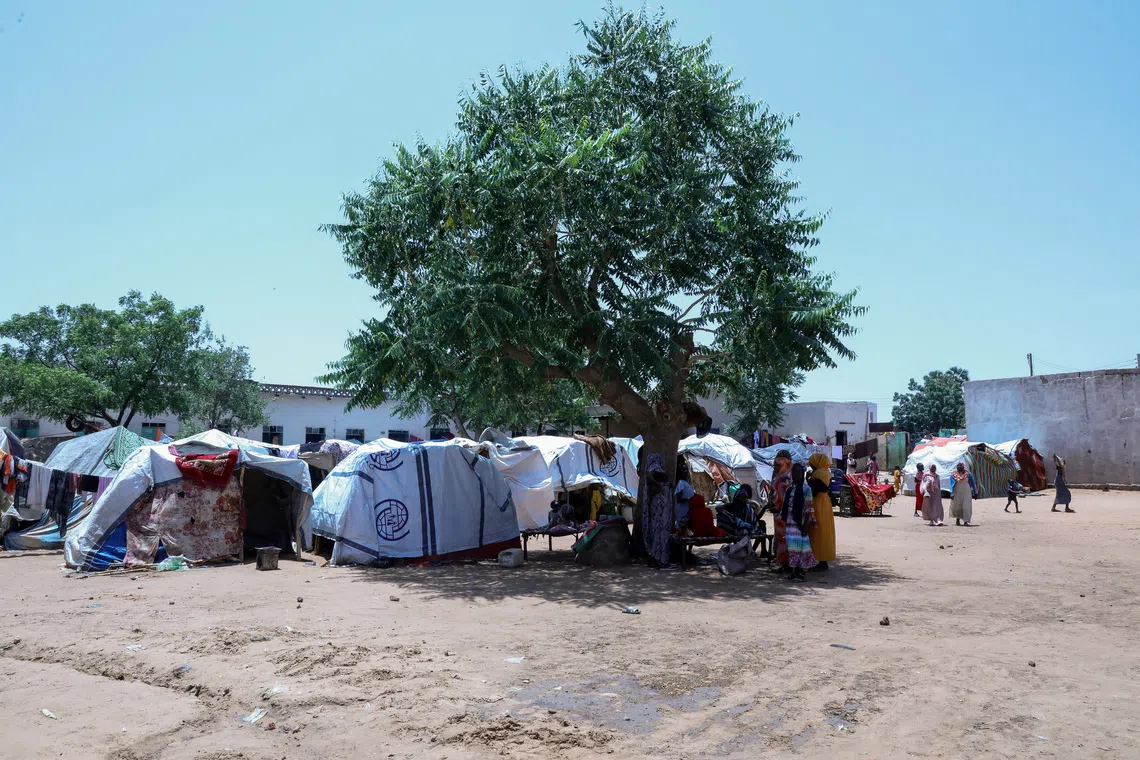
Photo by: Adigun Faizah
Khartoum, Sudan — Sudan is facing a growing risk of famine as severe drought threatens agricultural production, livestock and food supplies in a country already devastated by more than three years of civil war.
The drought, linked to the El Niño climate pattern, has affected rain-fed farming across several regions, particularly in southern and eastern agricultural areas. Farmers, aid workers and United Nations officials have warned that poor harvests could deepen hunger as millions struggle to access food amid continuing conflict and displacement.
The Integrated Food Security Phase Classification (IPC), a global hunger-monitoring initiative supported by the United Nations and other organisations, warned in an October 12 alert that the risk of famine was increasing in conflict-affected areas. It said drought was compounding an already severe humanitarian emergency.
Data from the United States Geological Survey showed that rainfall between July and September, Sudan’s peak rainy season, was the lowest in more than 30 years across the country. North Darfur recorded its lowest rainfall for the period since 1984, while North Kordofan and Gedaref states experienced their lowest levels since 1990 and 1991, respectively.
In June, the IPC estimated that 5.1 million people in Sudan faced severe hunger. The figures are being updated, but the United Nations World Food Programme (WFP) expects the drought to worsen food insecurity. According to programme figures shared with donors, an additional 350,000 people could face severe hunger by the end of 2026, rising to 1.2 million more by August 2027.
Farmers in North Kordofan say crops are withering before harvest, while livestock traders report increasingly thin cattle as pasture and water become scarce. One large-scale farmer in Gedaref said he expected to harvest only about a quarter of the previous year's crop, despite the state having remained relatively sheltered from direct fighting.
The crisis is also putting pressure on displaced families. In Tawila, a large displacement camp in Darfur, food rations have been reduced even as thousands more people arrive seeking assistance. Aid workers say hunger is increasingly forcing people from their homes, alongside the threat of violence.
The WFP has warned that funding shortages are limiting its ability to respond. As of October 17, the agency had $276 million available for its Sudan operation, less than half of the previous year's budget, and said it needed an additional $134 million to address drought-related hunger.
Sudan's authorities have acknowledged that harvests will decline but have played down the likely scale of the reduction. Meanwhile, humanitarian organisations have repeatedly accused both the Sudanese military and the rival Rapid Support Forces of obstructing aid deliveries, allegations both sides deny.
With agricultural output falling, displacement continuing and humanitarian resources stretched, aid agencies fear Sudan could face an even deeper food emergency in the months ahead.
Stay connected with AGCNewsNet for more news across Africa.