Swiss Government Says Nigeria’s Ebola Patient Did Not Travel to DR Congo
Posted 12:26 PM, Friday October 23, 2026 2 min(s) read
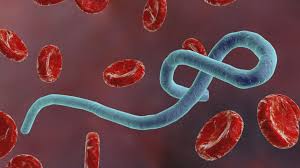
Photo by: Adigun Faizah
ABUJA, Nigeria — The Swiss government says Nigeria’s confirmed Ebola patient did not travel to the Democratic Republic of Congo (DR Congo), contradicting claims by Ugandan authorities about the woman’s movements before she became ill.
The patient, identified as the Ugandan-born wife of a Swiss diplomat based in Abuja, is a Swiss national who is believed to have contracted the virus while travelling with her husband in Uganda, according to Switzerland’s Federal Department of Foreign Affairs.
Ugandan authorities had said the woman also visited eastern DR Congo, where an Ebola outbreak was declared in mid-May. However, the World Health Organization (WHO) said its investigations had not established that she travelled to the country.
Catherine Smallwood, a WHO Ebola incident manager in DR Congo, told a United Nations briefing in Geneva on Friday that WHO staff in the country had no information indicating that the Nigerian patient had visited DR Congo.
Investigators are also examining a possible connection between the Nigerian case and an Ebola patient in Kenya. The Africa Centres for Disease Control and Prevention (Africa CDC) is investigating whether the two individuals may have crossed paths after travelling from Uganda’s Entebbe International Airport on the same day.
Smallwood said the timing of the Nigerian patient’s symptoms would need to be compared with her travel history to determine whether she was more likely to have contracted the virus at the airport or elsewhere.
Uganda reported 20 Ebola cases during May and June, most of them linked to infections originating in DR Congo. The WHO declared Uganda free of the disease in August, and the country has reported no new cases since June, according to the information provided by authorities.
The outbreak has affected four African countries: DR Congo, Uganda, Kenya and Nigeria. Africa CDC figures cited in the report put the death toll at approximately 4,700, although the latest figures should be confirmed against official updates.
Ebola spreads through direct contact with the bodily fluids of infected people or deceased victims. Symptoms can include fever, vomiting and diarrhoea, while severe cases may involve internal or external bleeding. The virus strain responsible for the current outbreak has no approved vaccine or specific treatment.
Health authorities continue to investigate the source of Nigeria’s infection and possible links to cases elsewhere in the region.
Stay connected with AGCNewsNet for more news across Africa.