Tinubu Seeks National Assembly Approval for $21.7 Billion External Borrowing Plan
Posted 09:55 AM, Wednesday October 28, 2026 2 min(s) read
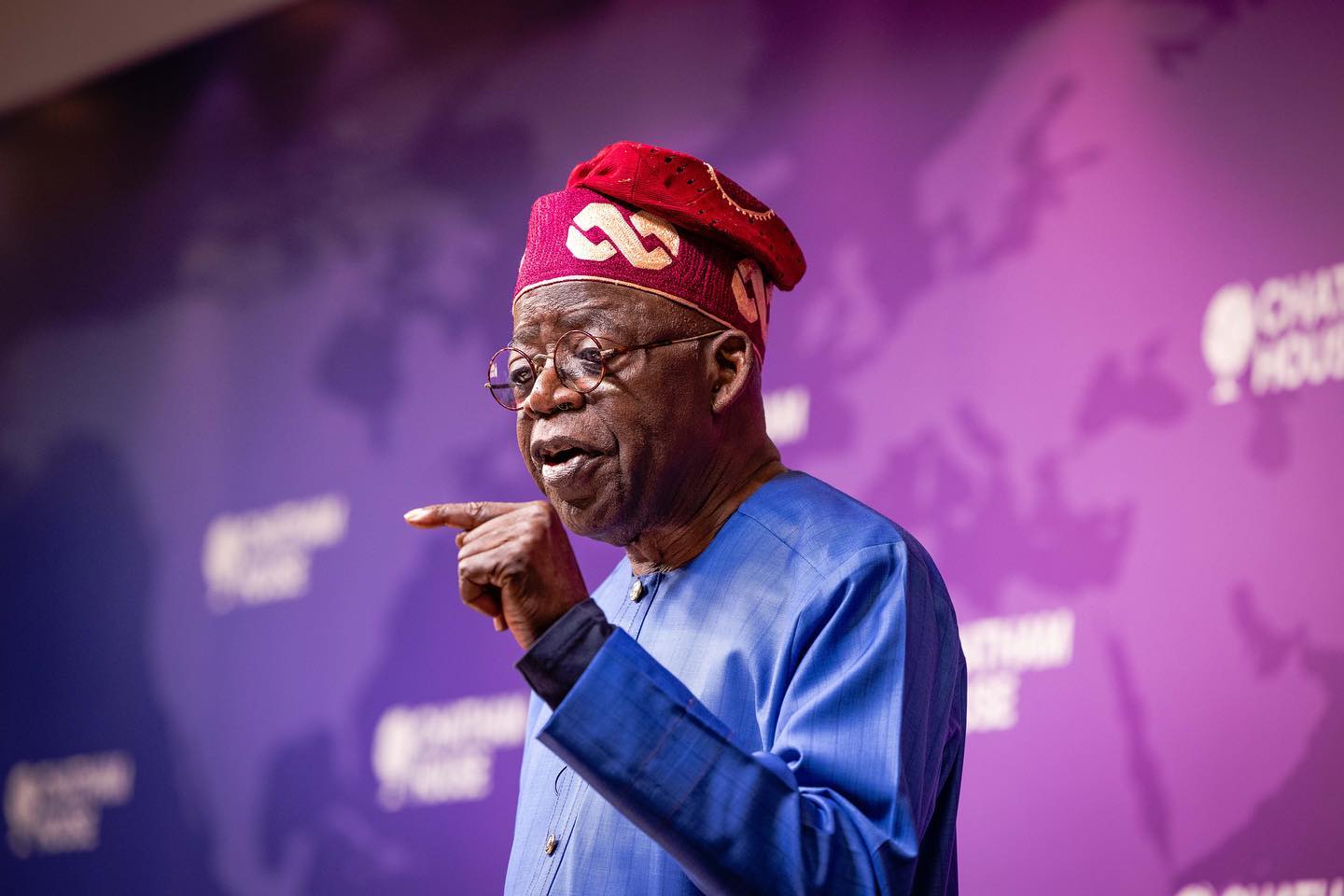
Photo by: Adigun Faizah
ABUJA, Nigeria — President Bola Tinubu has asked Nigeria’s National Assembly to approve a proposed external borrowing plan worth approximately $21.7 billion for 2026 and 2027 to finance infrastructure development and projects across key sectors of the economy.
The request covers $20.52 billion and €1.05 billion, equivalent to approximately $1.17 billion, according to a letter the president sent to lawmakers.
Tinubu said the proposed financing would support projects in infrastructure, agriculture, healthcare, education, water supply, security and employment generation. It would also fund financial management reforms intended to strengthen economic performance.
In the letter, the president urged lawmakers to consider and approve the supplementary external borrowing plan promptly to allow the government to implement the proposed projects.
Government Cites Infrastructure Financing Gap
Tinubu said external financing was necessary to address a funding gap created by Nigeria’s substantial infrastructure requirements.
The proposed borrowing comes as the government seeks resources to support development projects while addressing longstanding deficits in transport, healthcare, education, electricity and other essential services.
External borrowing can provide governments with access to funding for projects that might otherwise be delayed by limited domestic revenue. However, it also creates repayment obligations and exposes borrowers to risks associated with exchange-rate movements, interest costs and changing international financing conditions.
For Nigeria, where government revenues must also support recurrent spending and existing debt obligations, the terms of any new borrowing will be important in assessing its longer-term fiscal impact.
National Assembly Approval Required
The proposed financing plan cannot proceed through the requested legislative route without the National Assembly’s approval.
Lawmakers will need to consider the proposal before the government can move ahead with the borrowing programme. The request, as described in the president’s letter, sets out the broad sectors the funds would support but does not provide detailed project-by-project allocations in the information available.
Further details on the proposed lenders, interest rates, repayment schedules and implementation arrangements would help establish the potential cost of the financing and its implications for Nigeria’s public debt.
The plan also raises questions about how the government intends to monitor expenditure and measure the benefits of the projects financed through the borrowing.
The legislative decision will determine whether the administration can proceed with the proposed external financing programme. Until approval is secured, the borrowing remains a request rather than completed financing.
Stay connected with AGCNewsNet for more news across Africa.